-
If you’ve ever tried plugging a passive guitar straight into a computer soundcard, you might have noticed that it sort of works… but the signal is low, the tone is flat, and moving your guitar’s controls can sometimes do weird things. Typical solutions are USB sound interfaces, or dedicated preamps — like the more advanced… …Read More
-
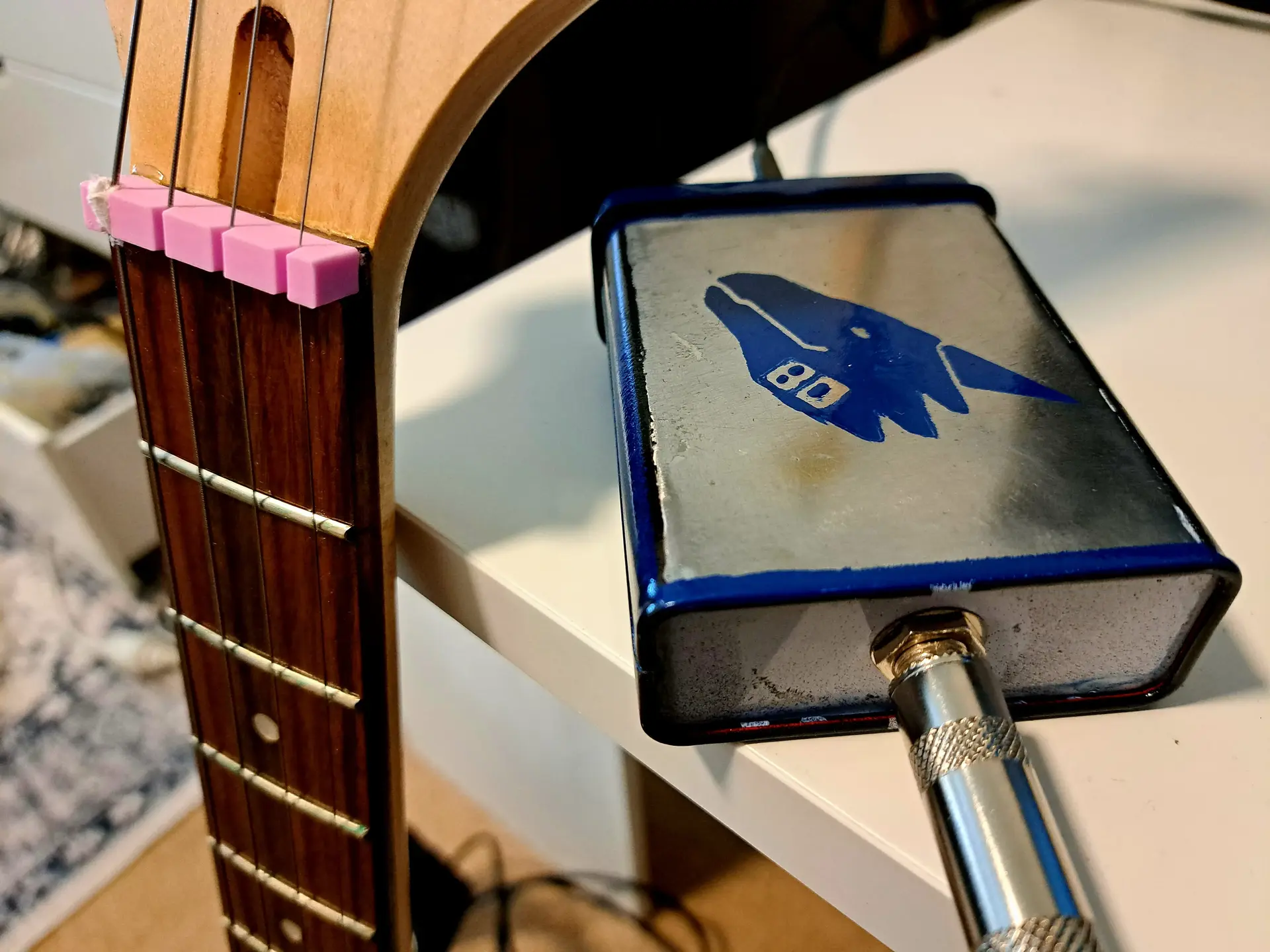
This tiny pre-amplifier converts the low-voltage, high-impedance signal from a guitar into a low-impedance, line-level output—making it suitable for direct connection to a sound card or other consumer audio equipment. Guitar preamps aren’t complicated, but there’s plenty of ways to make mistakes. Get the virtual ground biasing wrong and you’ll introduce noise. Skimp on decoupling… …Read More

-
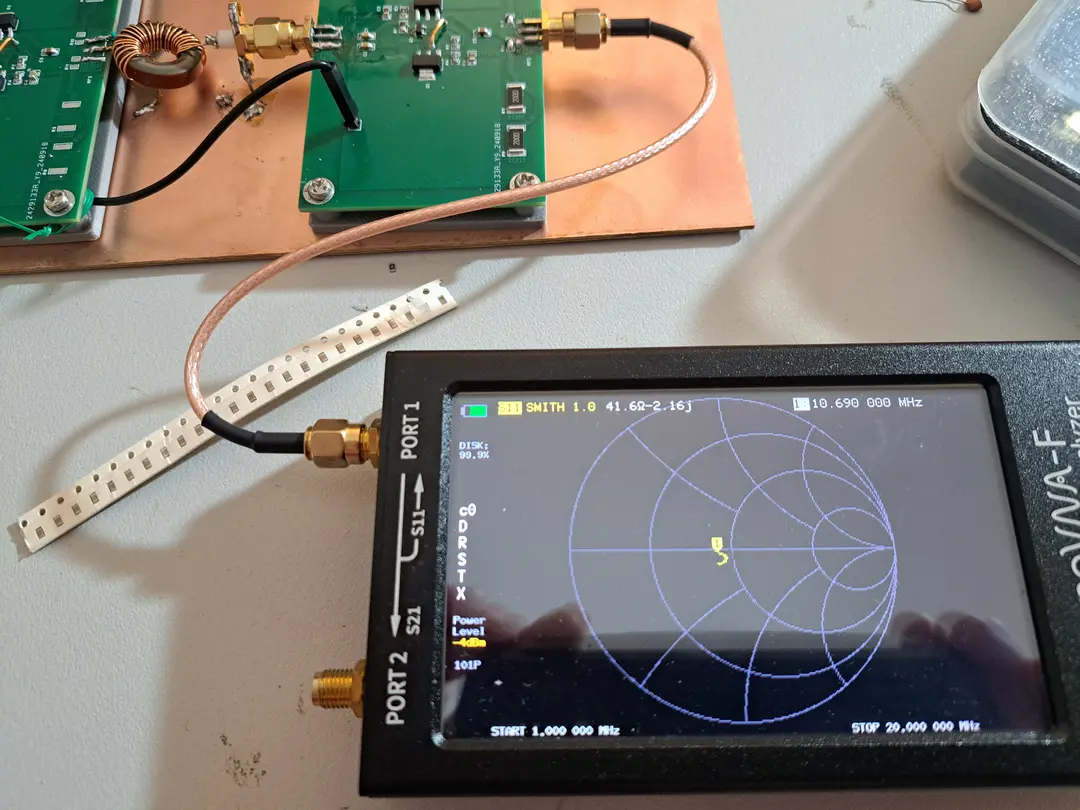
I’ll be honest from the start: when I began designing the SOT-223 LBA, my RF knowledge is far from complete. I wanted to build something educational—a flexible platform where I could learn by doing, make mistakes, and actually understand what was happening inside an RF amplifier rather than just copying cookbook circuits. The goal was… …Read More
-
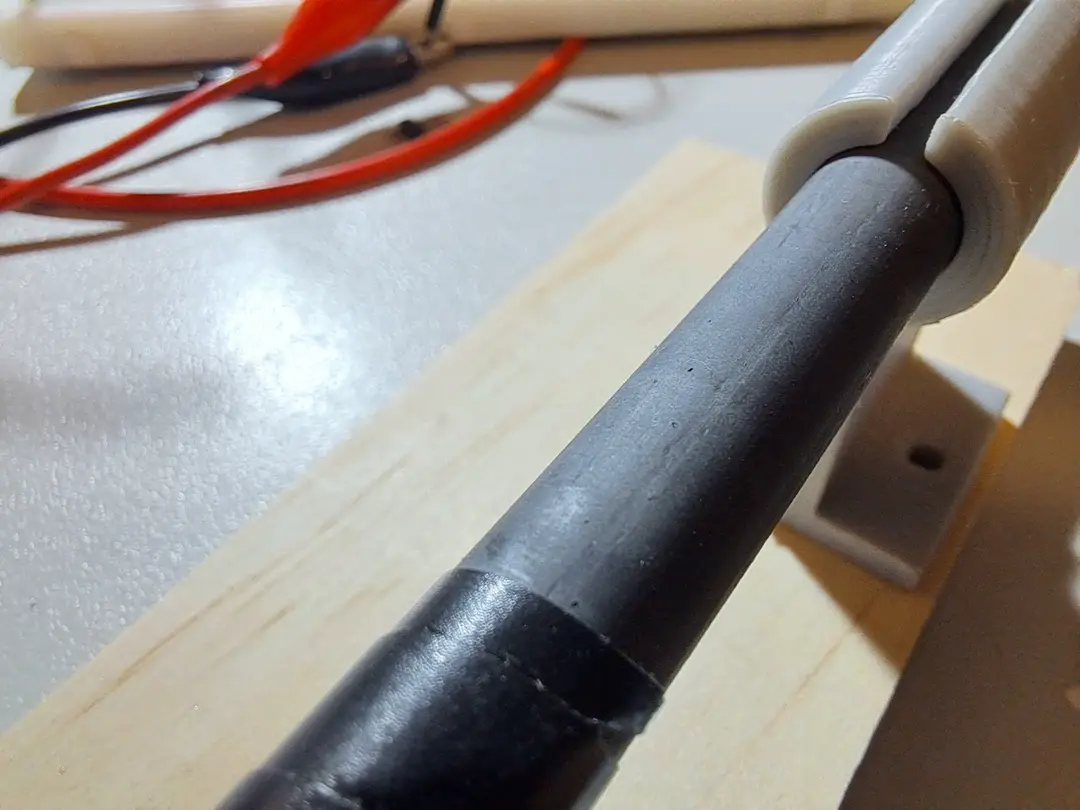
Both the RTL-SDR Blog V3 and V4 are low-cost software-defined radios capable of receiving a wide range of frequencies, including the AM broadcast band. However, neither includes an antenna suitable for AM reception out of the box. The most common advice online is to use a long-wire antenna, but this isn’t always practical, especially if… …Read More
-
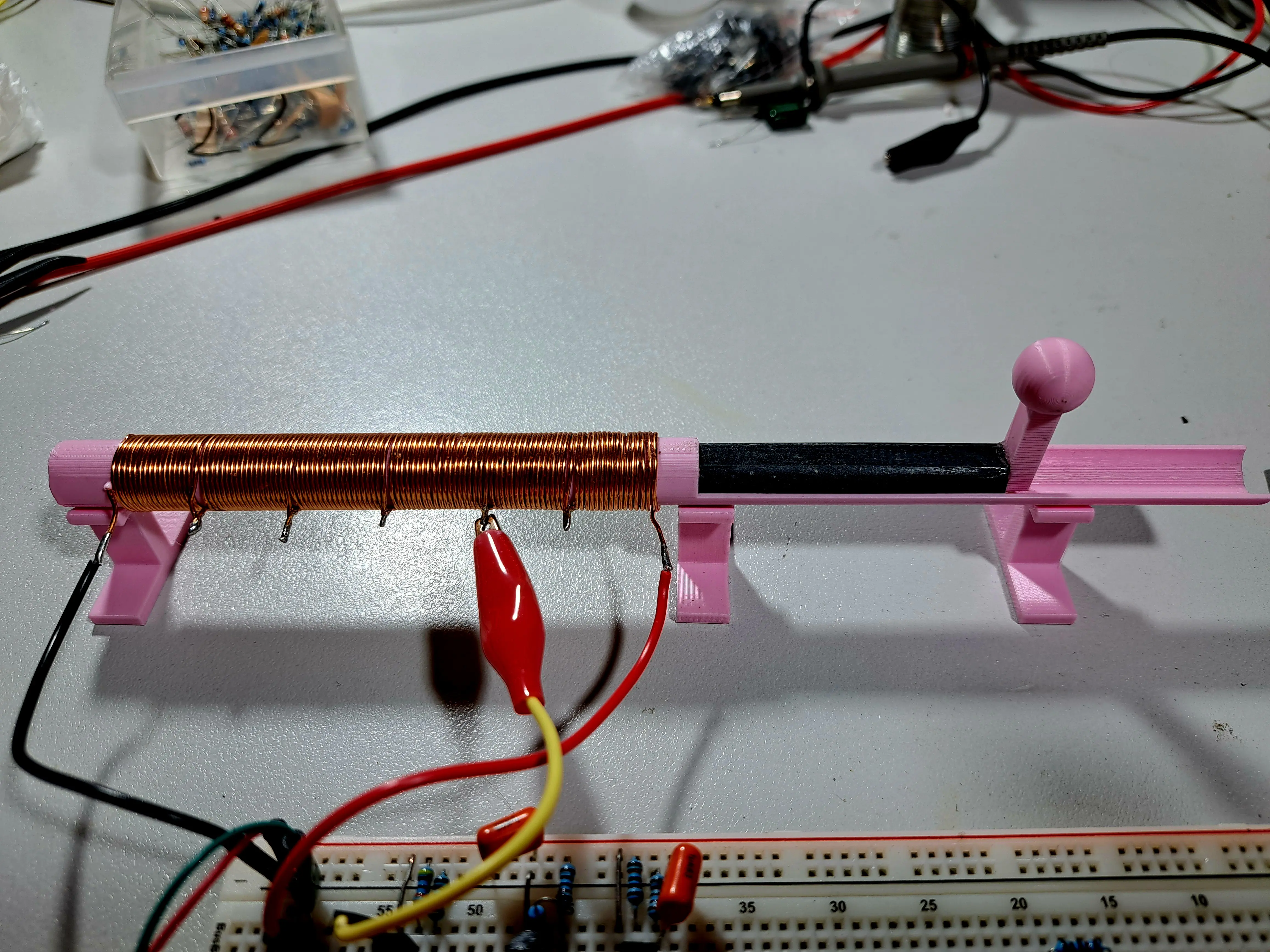
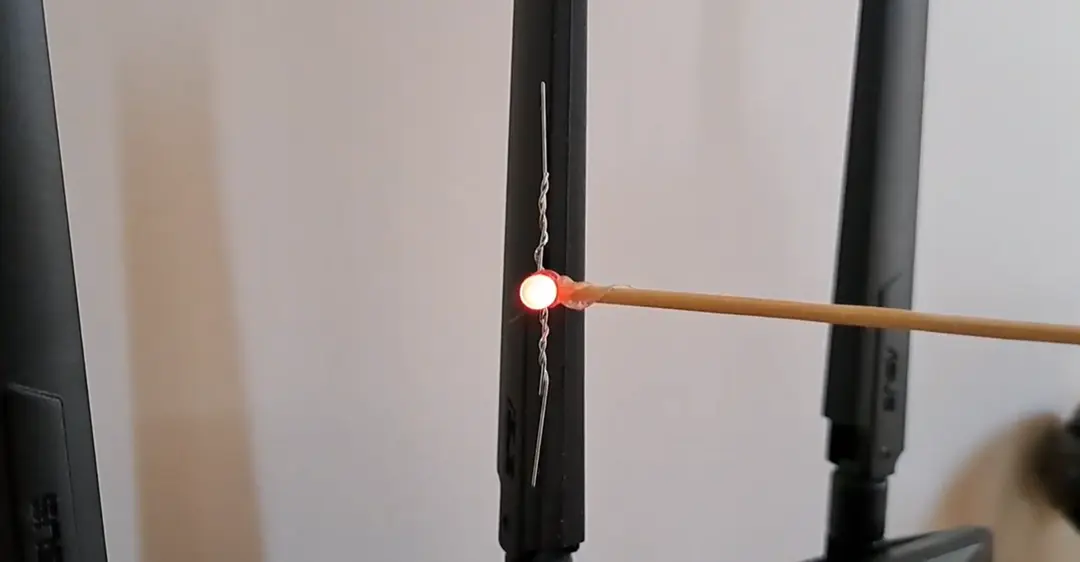
Crystal radios are famous for doing something almost magical: picking up broadcast signals with nothing more than a diode, an antenna, and a pair of headphones. They’re the simplest RF receivers you can build — and a brilliant way to learn how radio waves become electrical signals. In this post, I’m taking that idea into… …Read More
-
Starting out in electronics can be overwhelming — there are so many tools and gadgets to choose from. To help beginners get going without breaking the bank, I’m focusing on the two tools essential every project: a reliable soldering iron and a versatile multimeter. These are low-cost items I personally use and recommend. Soldering Station… …Read More

-
Generating true randomness on a tiny microcontroller can be a real challenge. Many small MCUs, for all their versatility, lack built-in hardware sources of entropy, yet countless projects depend on high-quality randomness for security, simulation, and creative experimentation. In this post, we’ll look at how to extract genuine unpredictability from a simple, reliable circuit, using… …Read More

-
When I left off in the previous post, I had a working oscillator, but there were still some unresolved issues. We had a functioning oscillator, yet: The second version of this circuit will attempt to address both issues by changing the amplifier topology. Eliminating Miller Effect Capacitance In the first single-transistor version of the circuit,… …Read More

-
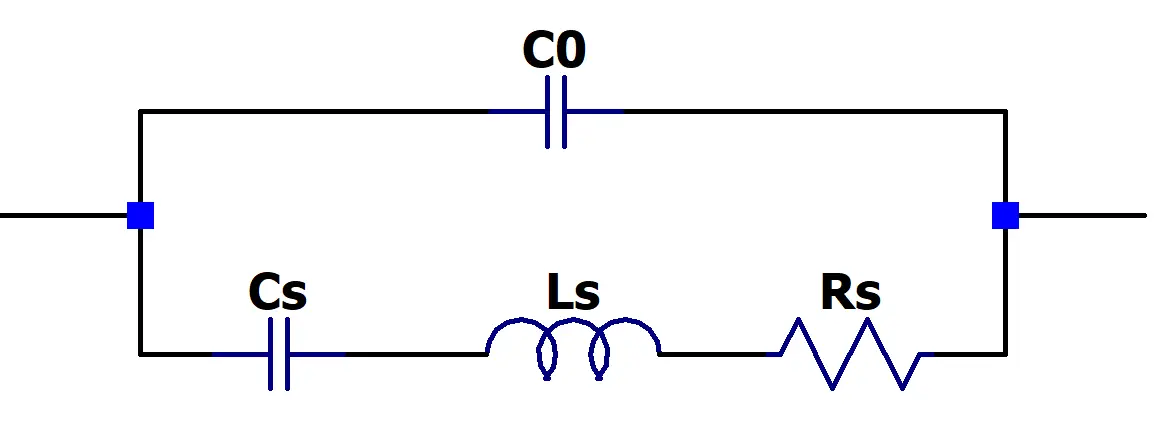
I decided to play with a familiar watch crystal – a 32.768 kHz tuning-fork quartz – but without using a convenient microcontroller or crystal oscillator IC. The goal was purely educational: to learn how crystal oscillators really work (phase shift, loading, gain, etc.) by building one from scratch with transistors. I wanted to see if I… …Read More
-
I wanted a reliable way to measure the true capacity of any rechargeable battery, rather than relying solely on manufacturer specifications. The most accurate way to do this is to fully discharge a cell under controlled conditions and measure how much energy it can actually deliver. To achieve that, I decided to design and build… …Read More