-
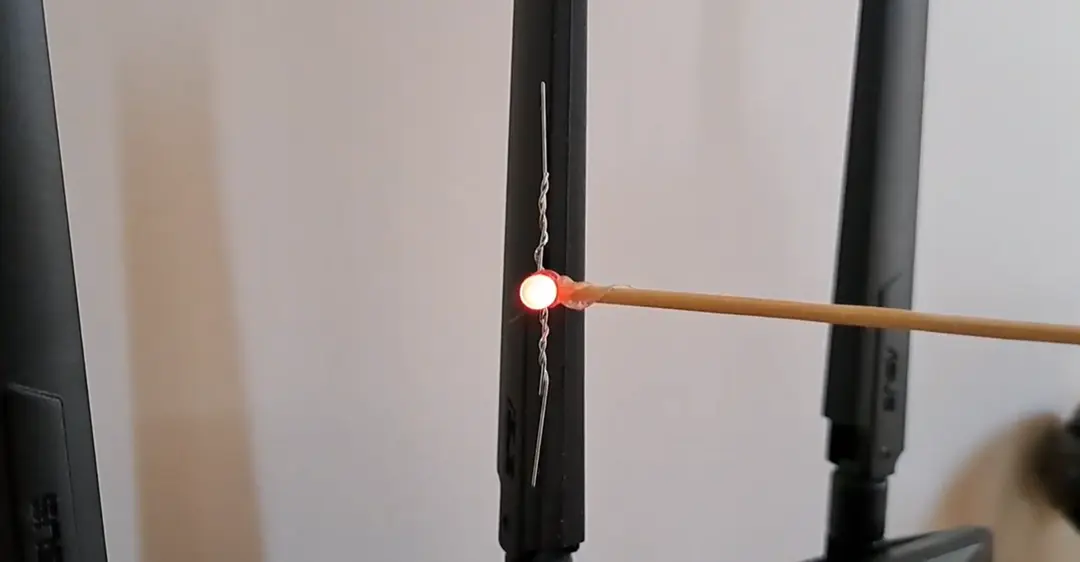
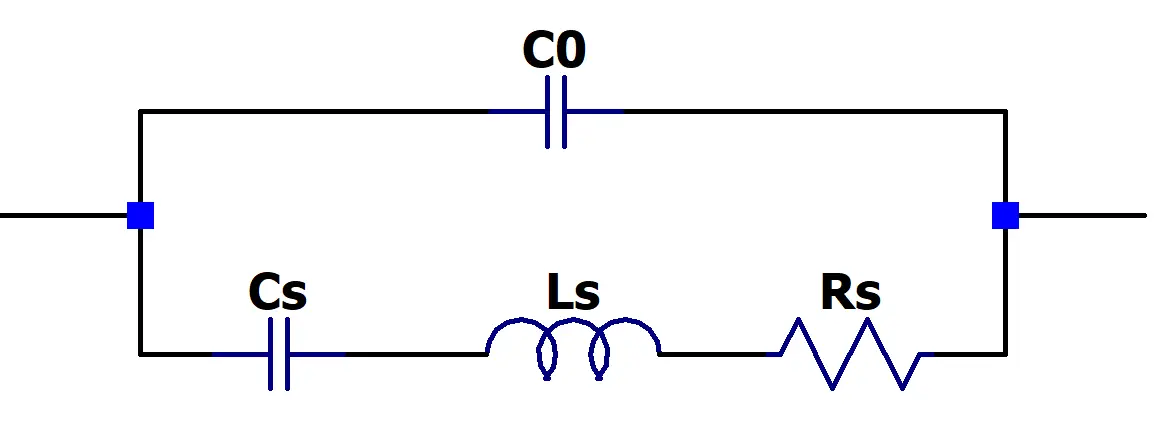
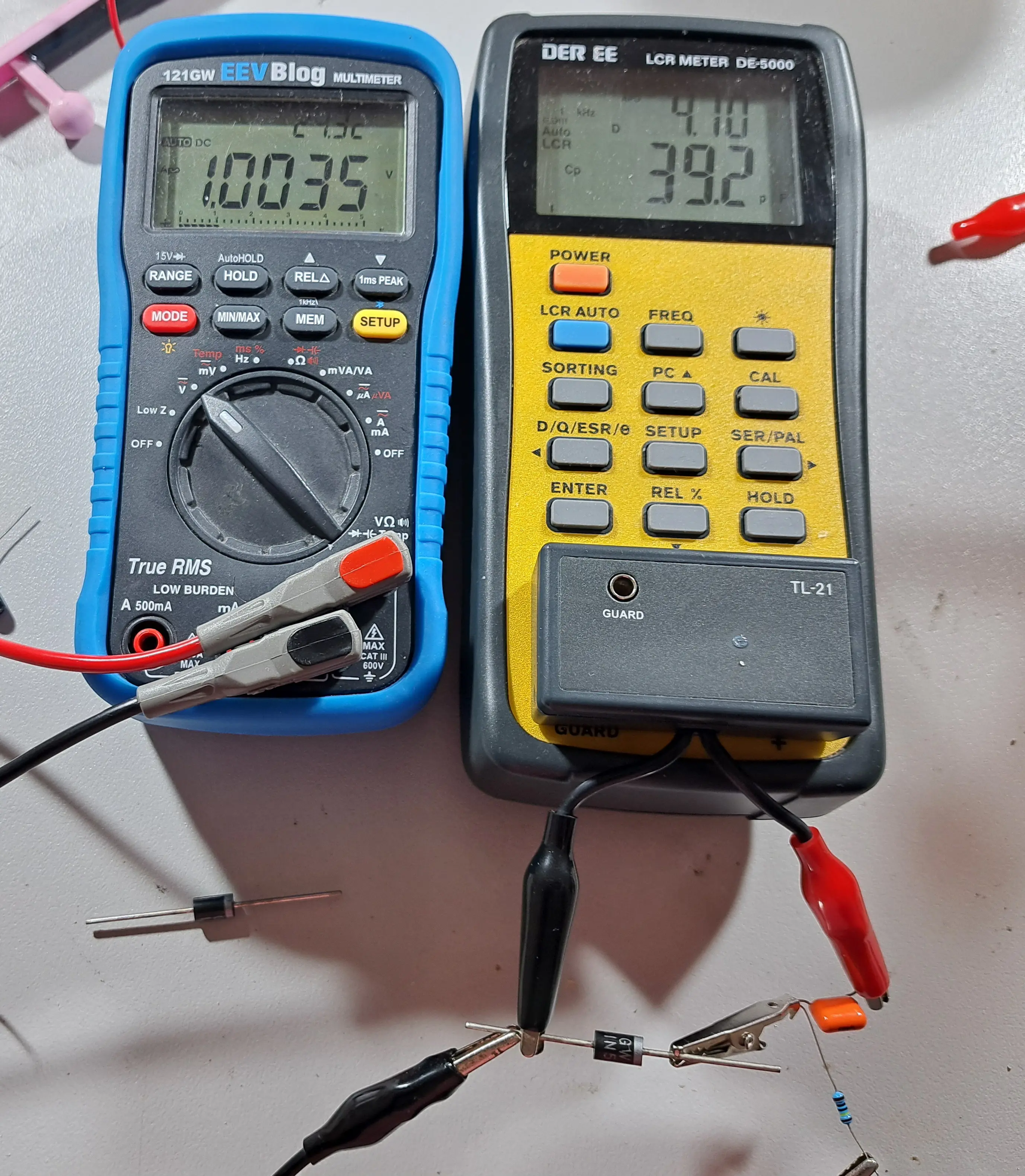
A capacitor, at its core, is just two conducting plates separated by an insulating layer. Charge accumulates on the plates, an electric field spans the gap, and energy is stored. It’s one of the most fundamental structures in electronics — and it turns out that structure exists naturally inside every diode. When a diode is… …Read More
-
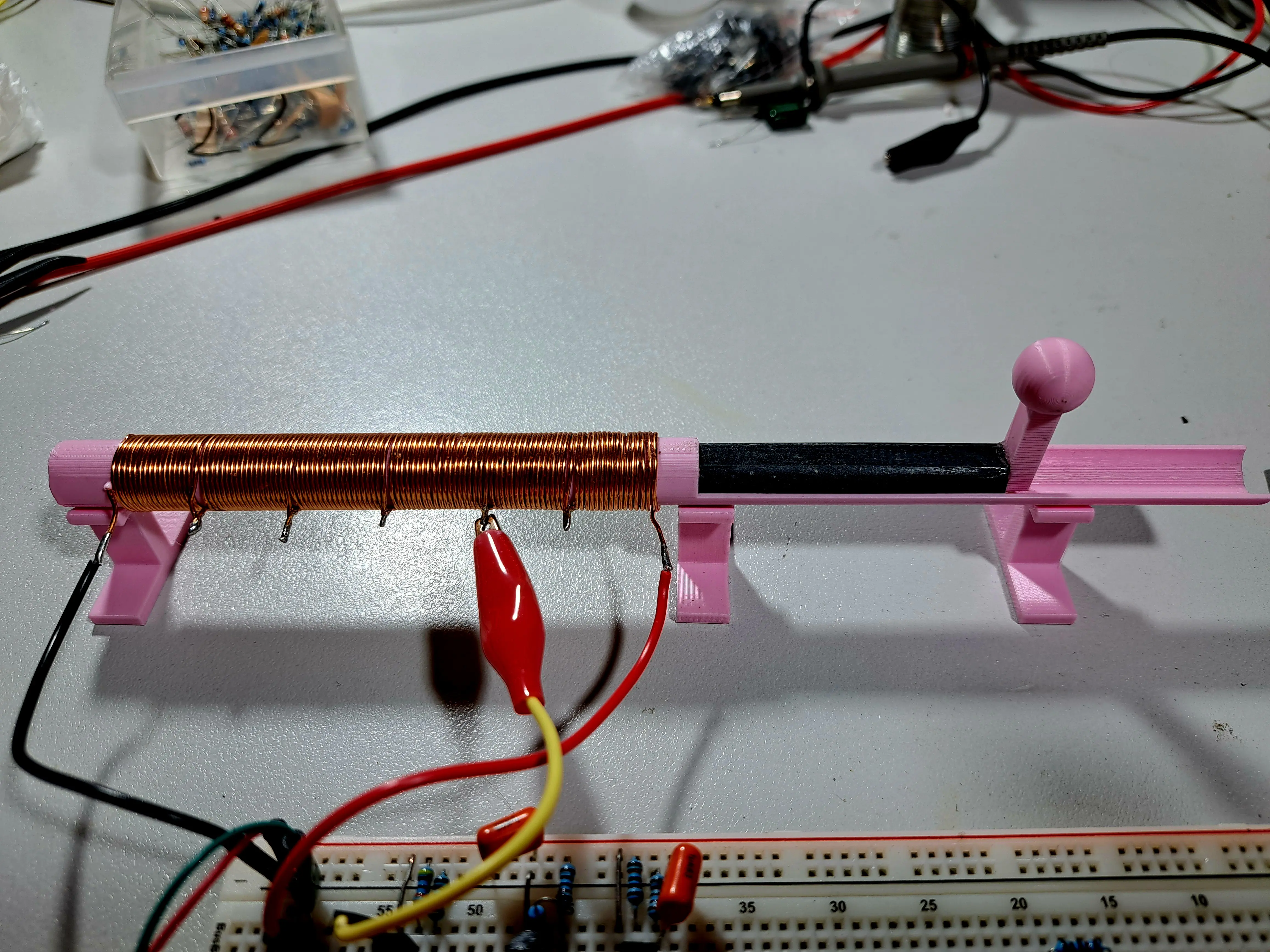
With this project I intend to design and construct a simple AM radio that does not require any esoteric or vintage components and is accessible to the largest possible audience. One of the simplest types of radio is a tuned radio frequency receiver (or TRF receiver). It is composed of one or more tuned radio… …Read More
-
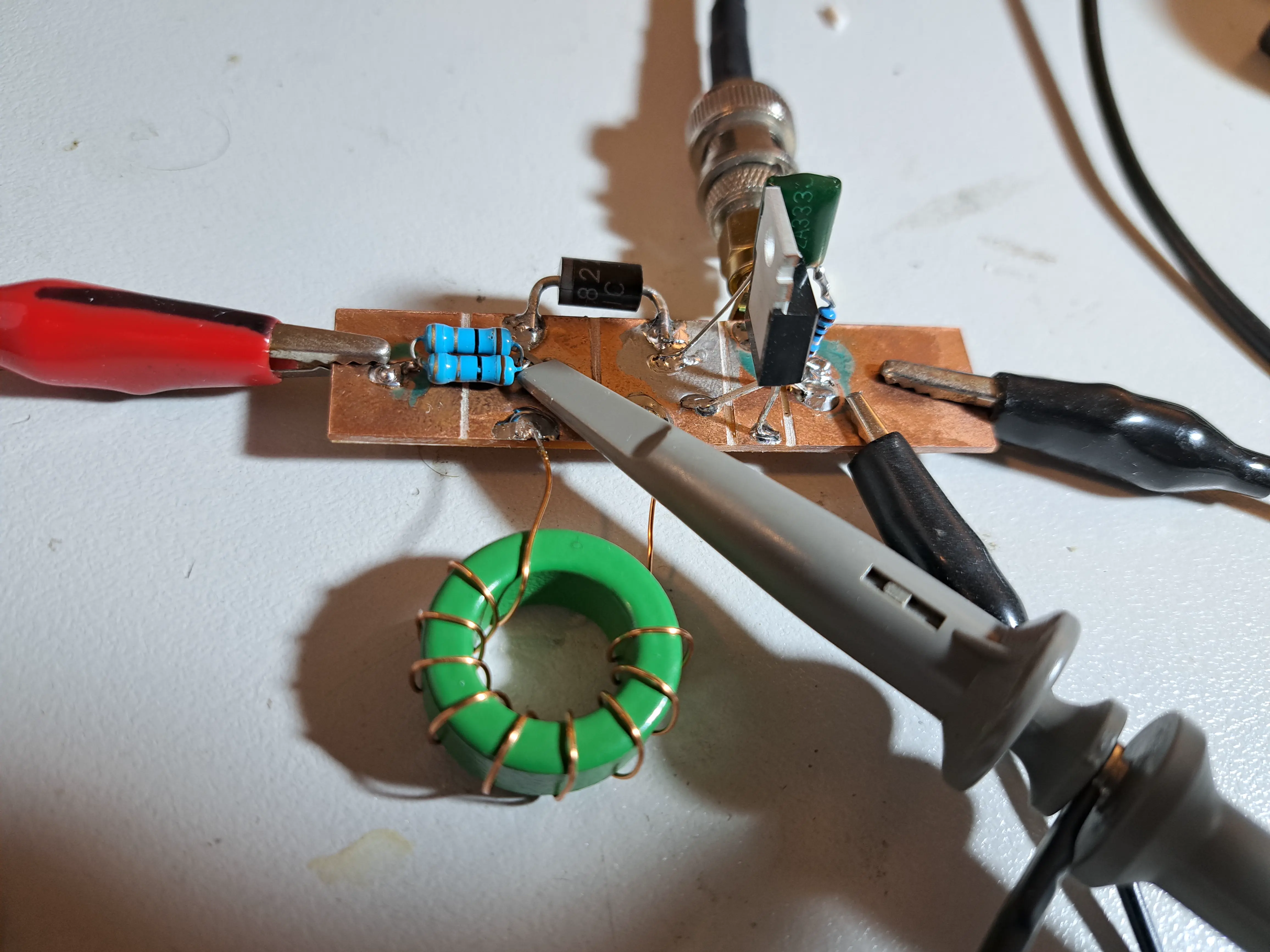
I’ve accumulated quite a few inductor cores over time—some scavenged from old equipment, others bought from online retailers. Unfortunately, many of them no longer have accessible datasheets. To better understand what these cores might be useful for, I decided to measure their saturation current. Core Saturation Every magnetic material has a limit to how much… …Read More
-
The Joule Thief is a deceptively simple circuit of enduring popularity. With just a handful of components, a transistor, a resistor, and a small transformer, it can coax enough useful energy to light an LED from batteries that would normally be considered “dead”. But behind that simplicity is a surprisingly interesting bit of physics and… …Read More

-
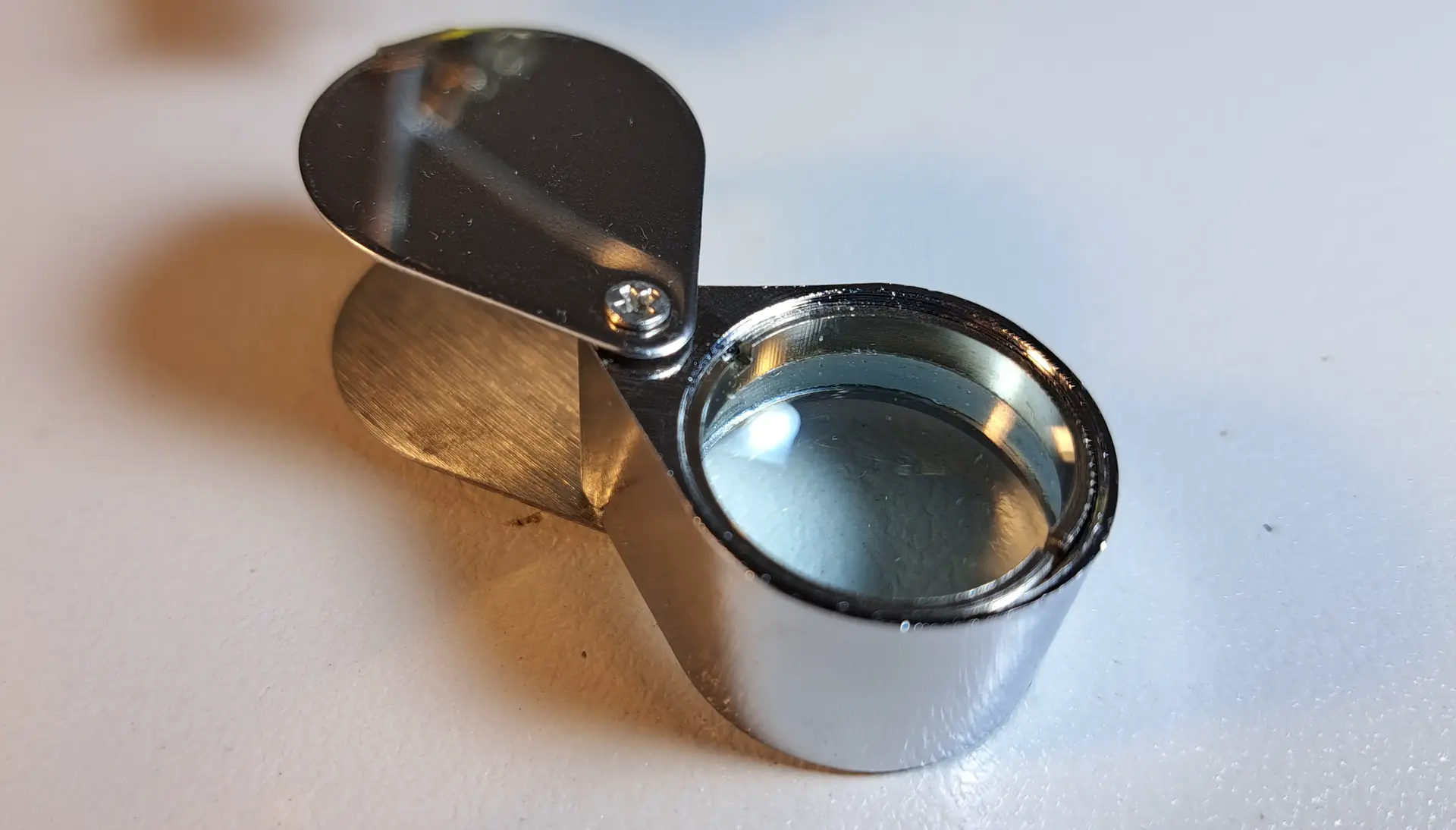
Alongside my soldering iron, side cutters, and needle-nose pliers, this small loupe is, by a comfortable margin, the tool I use most at the bench. …Read More
-
This article describes how to set up VSCodium and PlatformIO on Linux for development with the CH32V003 and CH32V006 RISC-V microcontrollers. It covers installing the required extensions and setting up udev rules for the WCH-LinkE programmer. …Read More

-
In this article I’ll show you how to set up and start developing with the CH32V003 and CH32V006 series of ultra-low-cost RISC-V microcontrollers. The CH32V003/006 family For anyone who hasn’t encountered them yet, the CH32V003 and CH32V006 series are remarkably capable for their price. Compared to an Arduino Nano based on the ATmega328P, which runs… …Read More

-
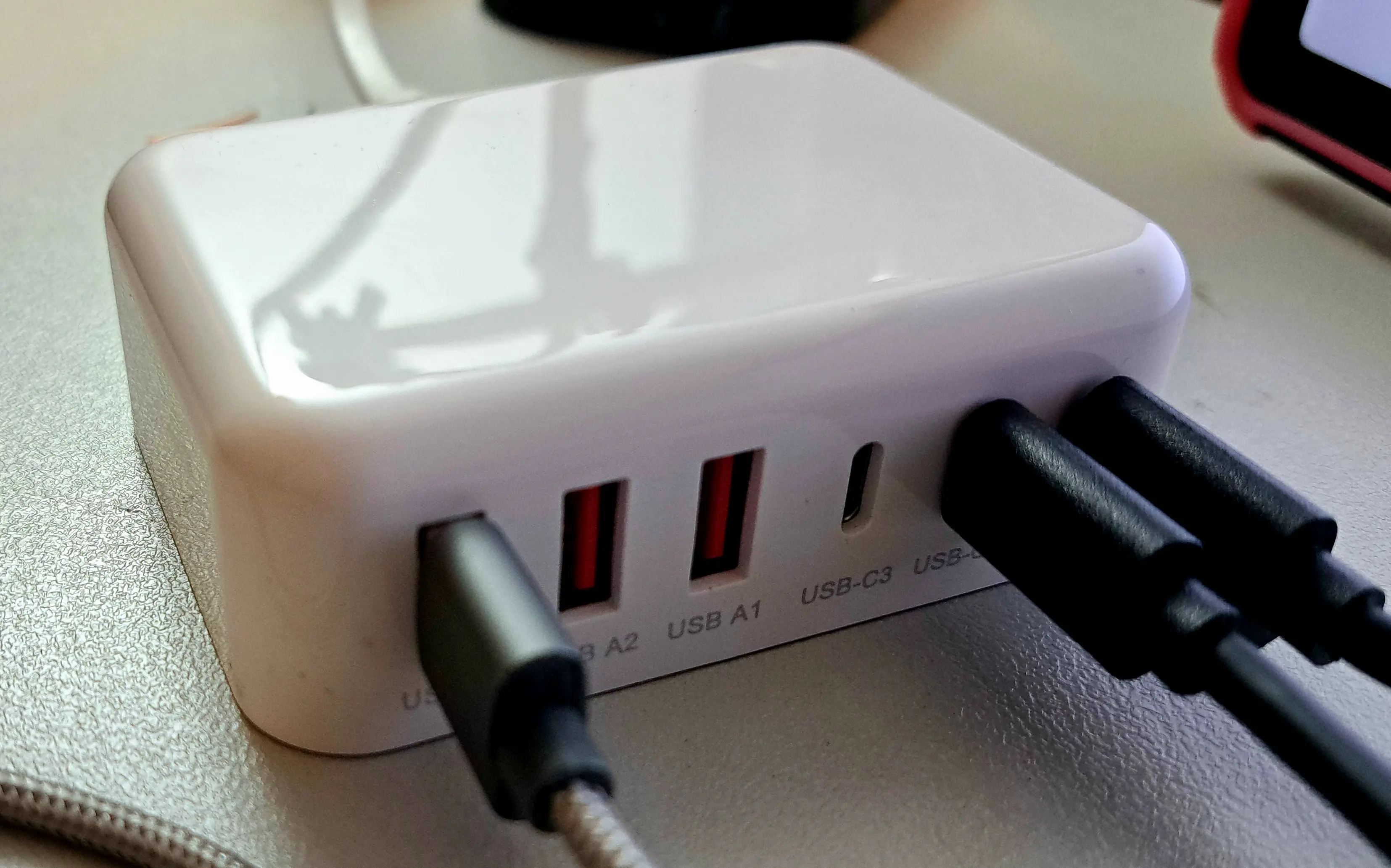
I often run a large number of USB devices on my lab bench—tablets, mobile phones, and various microcontroller projects. I also use a mix of USB-A and USB-C connections. Some older devices don’t behave correctly on USB-C ports due to misconfiguration, so having both types available is important. All of these devices are relatively low… …Read More
-
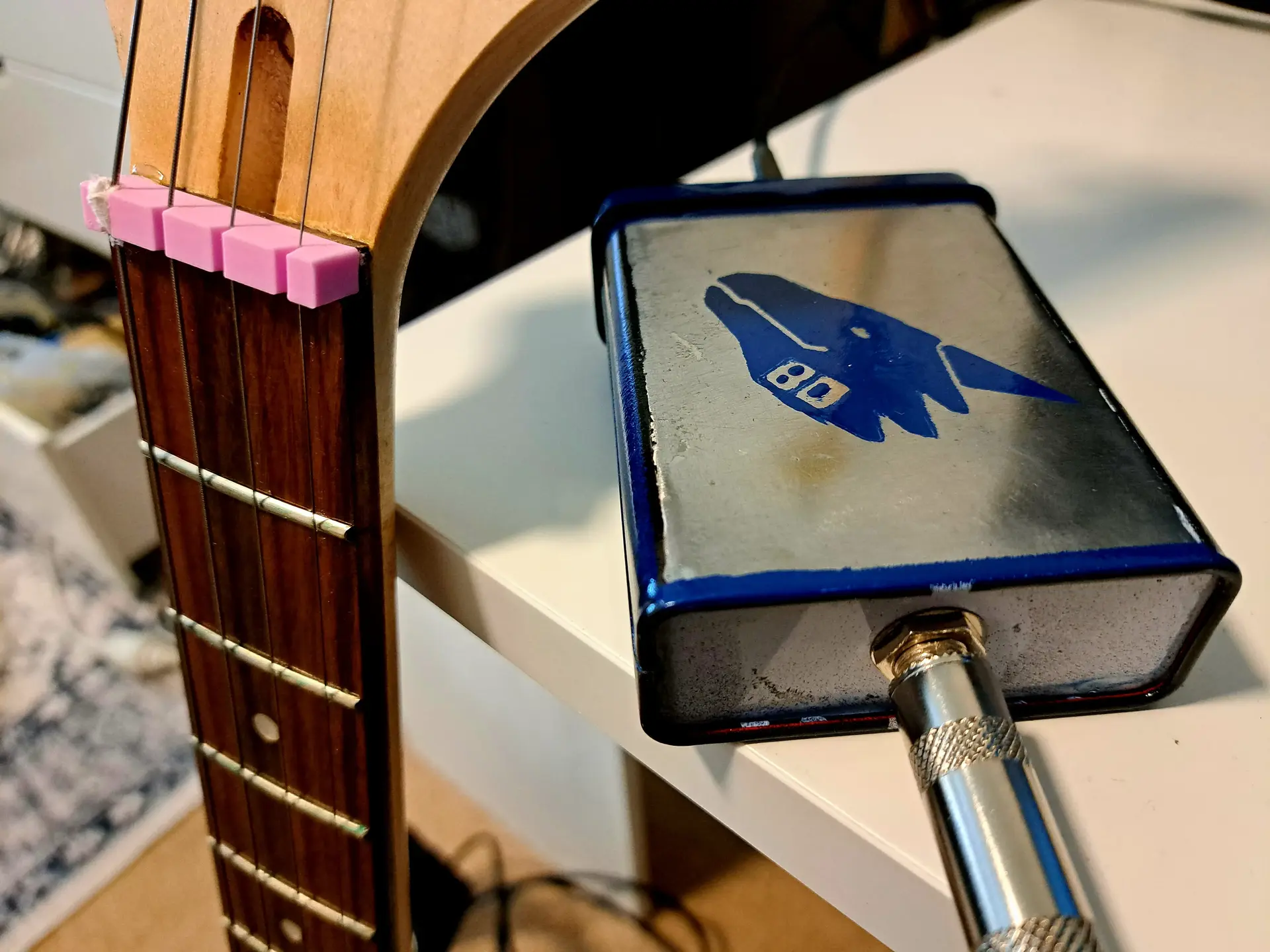
If you’ve ever tried plugging a passive guitar straight into a computer soundcard, you might have noticed that it sort of works… but the signal is low, the tone is flat, and moving your guitar’s controls can sometimes do weird things. Typical solutions are USB sound interfaces, or dedicated preamps — like the more advanced… …Read More
-
This tiny pre-amplifier converts the low-voltage, high-impedance signal from a guitar into a low-impedance, line-level output—making it suitable for direct connection to a sound card or other consumer audio equipment. Guitar preamps aren’t complicated, but there’s plenty of ways to make mistakes. Get the virtual ground biasing wrong and you’ll introduce noise. Skimp on decoupling… …Read More